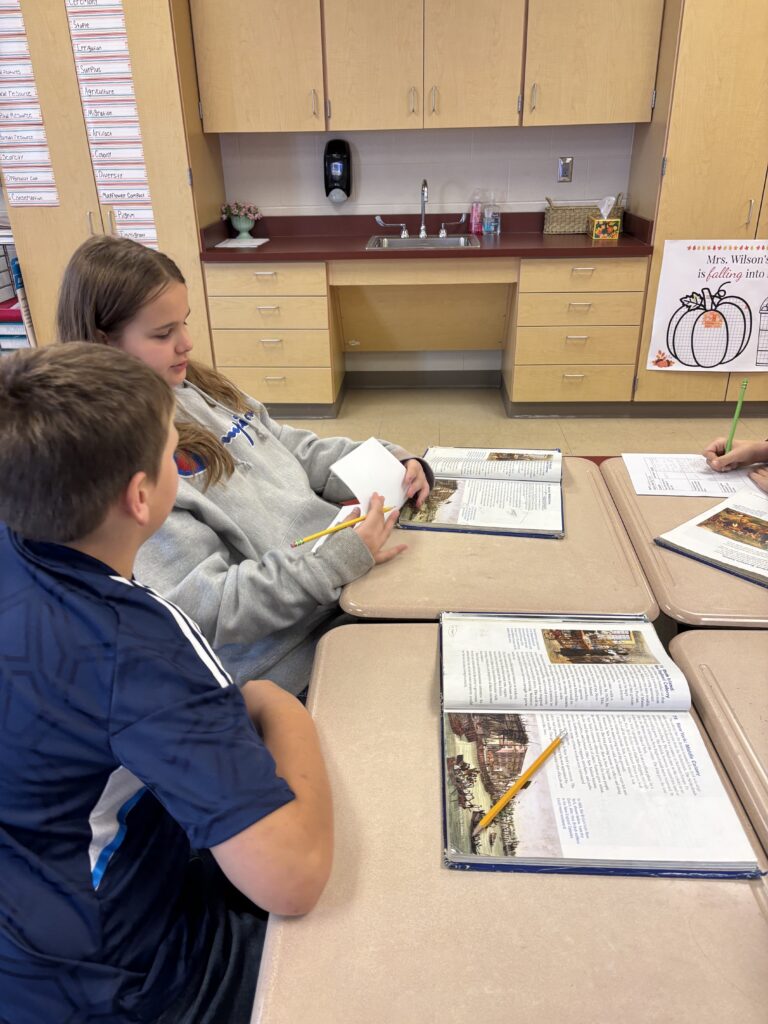
Teaching the branches of government can be challenging for 5th grade students because the content is abstract and filled with unfamiliar vocabulary. To make learning more engaging and meaningful, I incorporated iCivics into my social studies instruction. This interactive platform allowed my students to actively explore the legislative, executive, and judicial branches in a way that was both fun and educational.
I began the lesson by introducing the three branches of government through a brief mini-lesson and anchor chart. Students learned that the legislative branch makes laws, the executive branch enforces laws, and the judicial branch interprets laws. After building this foundational knowledge, I transitioned into using iCivics as a hands-on learning tool to deepen their understanding.
Using the iCivics game “Branches of Power,” students took on the role of a government leader and experienced how each branch functions. This interactive simulation helped students see how laws are created, signed, and reviewed. Instead of simply memorizing facts, they were able to apply their knowledge in real-time scenarios. As they played, students made decisions, balanced responsibilities, and observed the system of checks and balances in action.
Throughout the lesson, student engagement noticeably increased. Many students who typically struggle with traditional textbook learning were highly motivated to participate. The game-based format encouraged collaboration, critical thinking, and discussion. Students frequently asked questions such as, “What happens if the president vetoes a law?” and “Can the Supreme Court really change a law?” These questions showed that they were thinking deeply about how government works.
Jaime-Lynn Wilson
West Irvine Elementary
Estill County Schools
5th grade Social Studies