As AI becomes ever present in our daily lives, educators and schools are forced to find safe, meaningful ways to guide students through this new frontier! Just like concerns with internet access, student safety is at the forefront of everyone’s minds as students begin using AI more at school and outside of school. Another concern is that AI will be misused to cheat on assessments or to complete assignments for students resulting in reduced learning opportunities and student achievement.
KEDC has offered multiple sessions on AI throughout their grants. Educators have learned about MagicSchool.ai, Google Gemini, ChatGPT, and many other AI tools. They’ve also shared how educators can become more efficient with writing lesson plans, assessments, and learning activities with help from these resources. The National Battlefield trust suggested that educators use AI to brainstorm ideas, to rewrite historical documents to make them more age appropriate and accessible, and to generate images. They also suggested developing students’ media literacy skills by analyzing the accuracy of AI generated images by comparing them to primary sources. The opportunities to use AI in the classroom are only limited by their imaginations!
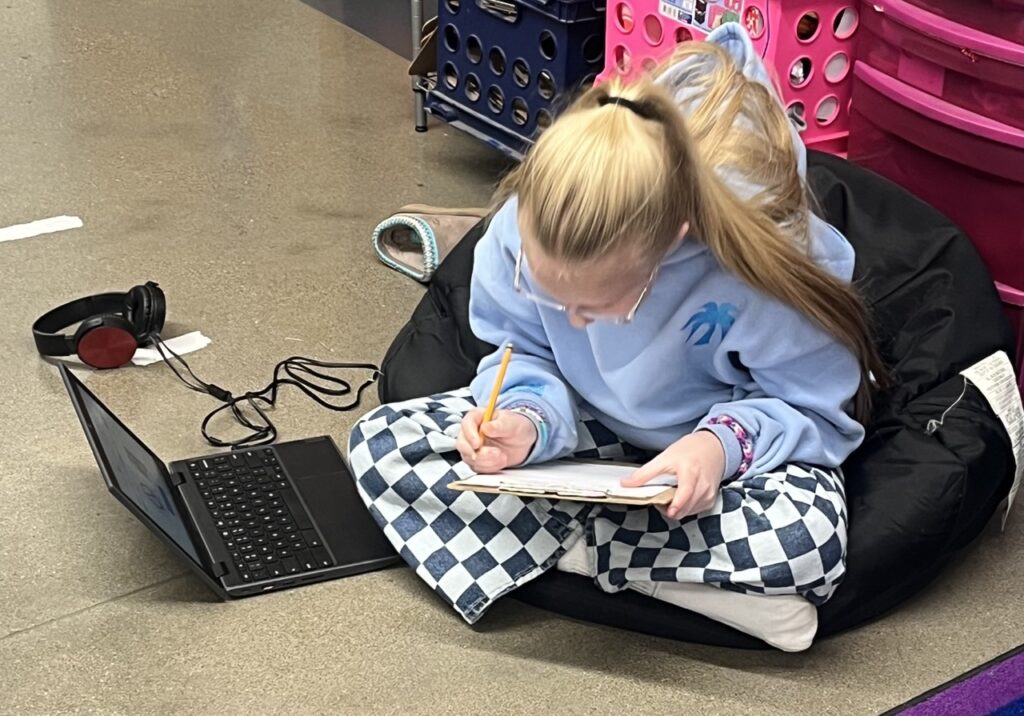
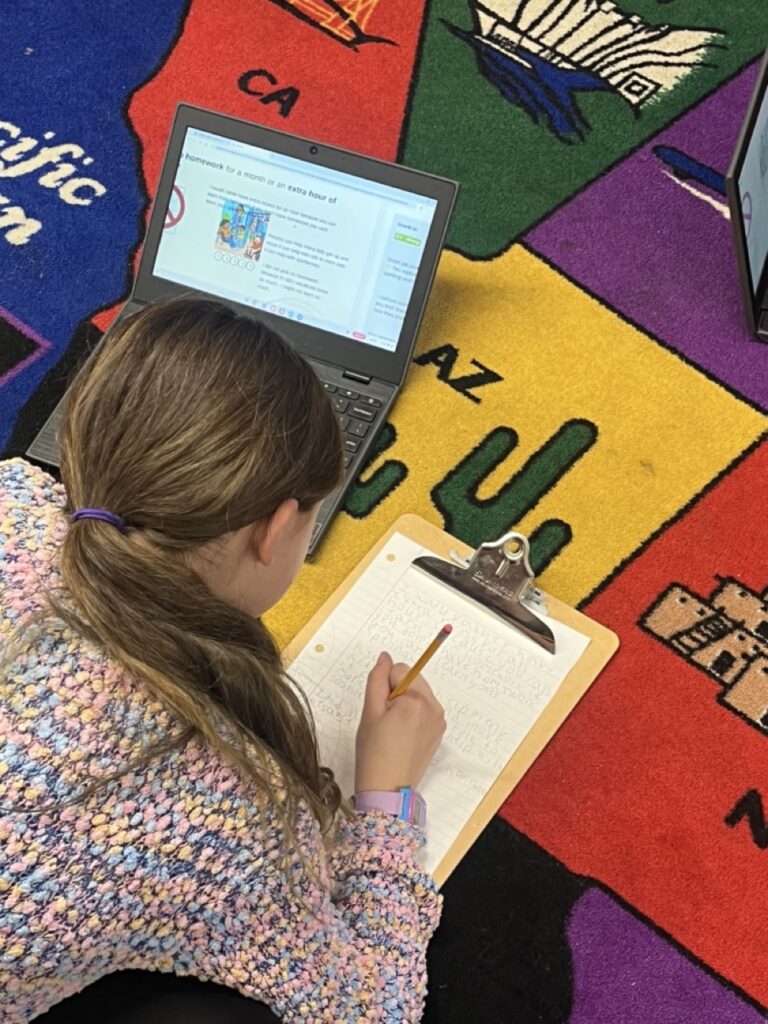
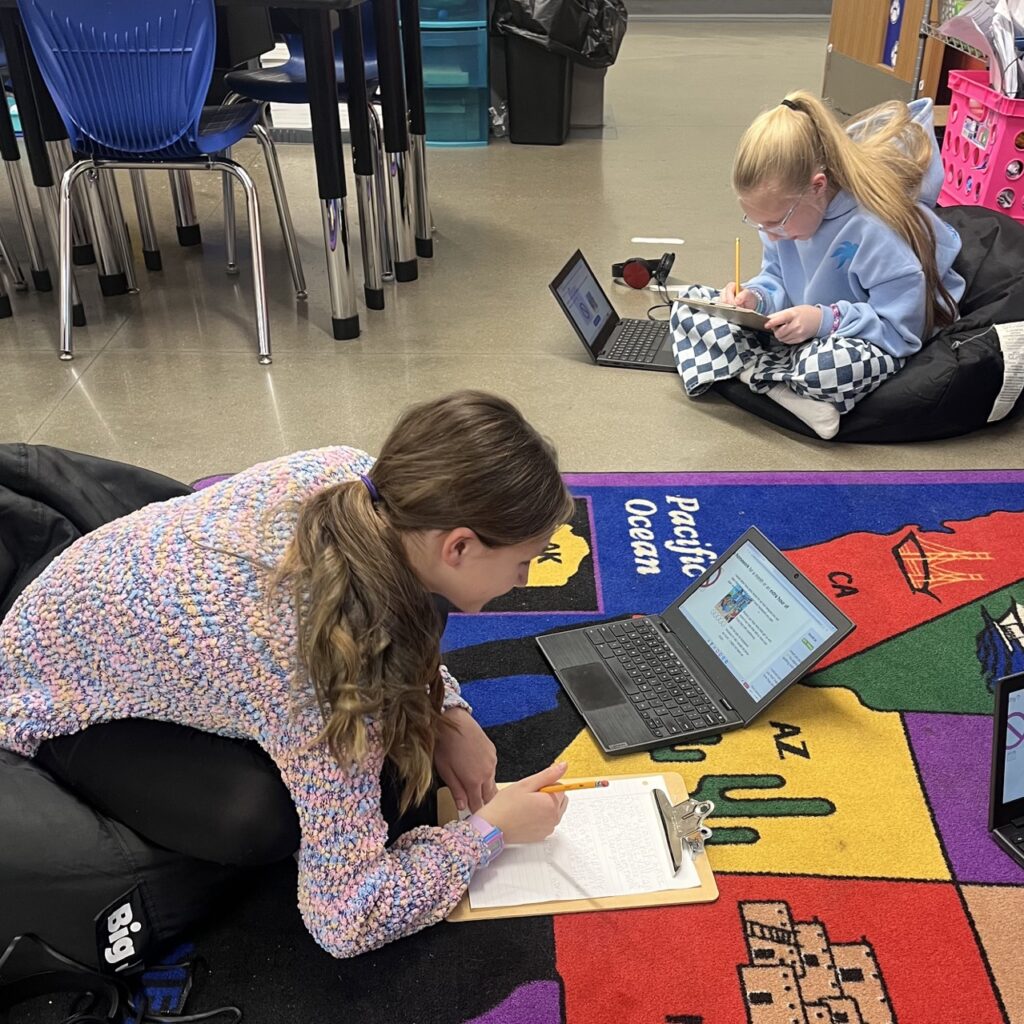
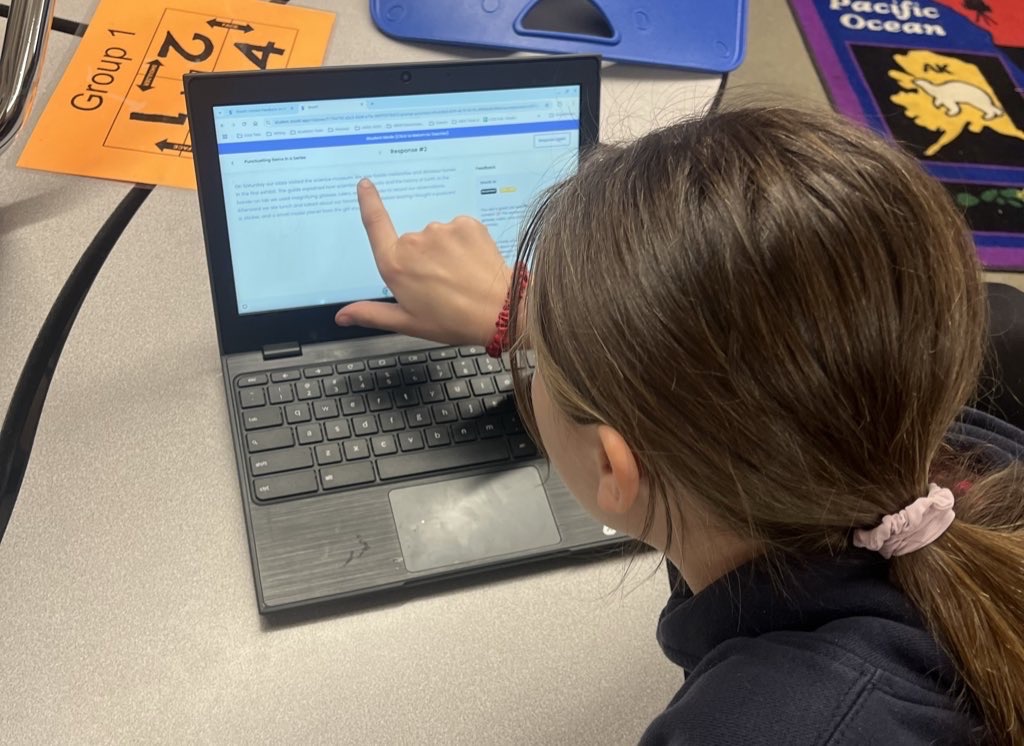
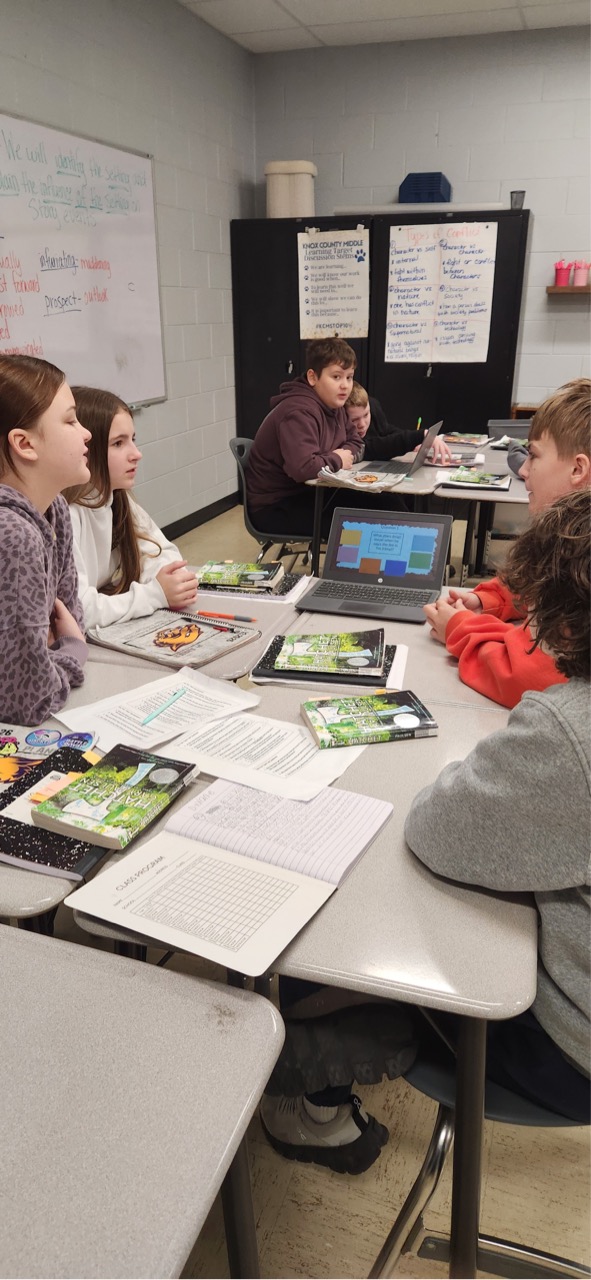
Many tools exist that use AI while protecting students. At Lewis County Central Elementary, students have been using Snorkl.app to help improve their ability to explain written responses. During tutoring, academic team practice, and RTI time, students have embraced the Snorkl Coach to ask AI for suggestions to improve their responses. They’ve also been given customized feedback that allowed them to revise their original responses. As their skill sets for AI prompting develop, so will their abilities to respond to questions and prompts, to think critically, and to evaluate their answers.
Using programs like the Snorkl.app has helped protect students from the dangers of other programs that use AI because educators can monitor everything students are asking AI as well as the responses they are receiving. Snorkl also protects students’ privacy and has been certified by COPPA (Children’s Online Privacy Protection Act), FERPA (Family Education and Privacy Act) and CSPC (California Student Privacy Certified). These safeguards and efforts by platforms like Snorkl will help educators protect their students while embracing AI in the classroom.
Image generation with AI has also been embraced by many students at LCCE. One example involved students generating images about causes of the American Revolutions on Padlet.com. Students quickly learned the importance of prompting and reviewing the generated images for errors as American flags appeared at the Boston Tea Party long before America was even a country, people were walking on water, or bodies were missing limbs. This helped them to develop critical thinking skills needed to evaluate AI generated images and resources which also helped them to develop the belief that AI is a tool, not a get out of work free card.
Lastly, students have also used AI to brainstorm ideas, aid in descriptive details, and to illustrate their narratives. They turned to Padlet to generate images of fractured fairy tales before writing the outline of their narratives. When describing their characters and settings, they were able to view AI generated images to flesh out the descriptive details needed to bring their stories to life. Finally, they carefully selected images that will be used to illustrate their class book. Imagine what else educators could do with AI image generation!
So if you’re an educator that is curious yet cautious about AI, know that you are not alone. Luckily, companies that are developing AI tools for the classroom are aware of these concerns and have started to put in safeguards for students. Many educators are embracing AI to use in their classrooms through tools and programs that protect students while helping them grow. Will you?
Sheina Kegley
Lewis County Central Elementary
Lewis County
5th and 6th Grades